The World of Sauna
A twelve-stop look at how sauna is actually practiced. Fifteen countries. One ongoing series.
Sauna is not one tradition. It is a few dozen, depending on how you count.
In Finland, a sauna is built into nearly every home. In Estonia, the smoke sauna carries spiritual weight that traces back centuries. In Japan, there is a single word for the regulated state you reach inside it. In Turkey, the steam ritual has been running on continuous Ottoman bones since the 1500s.
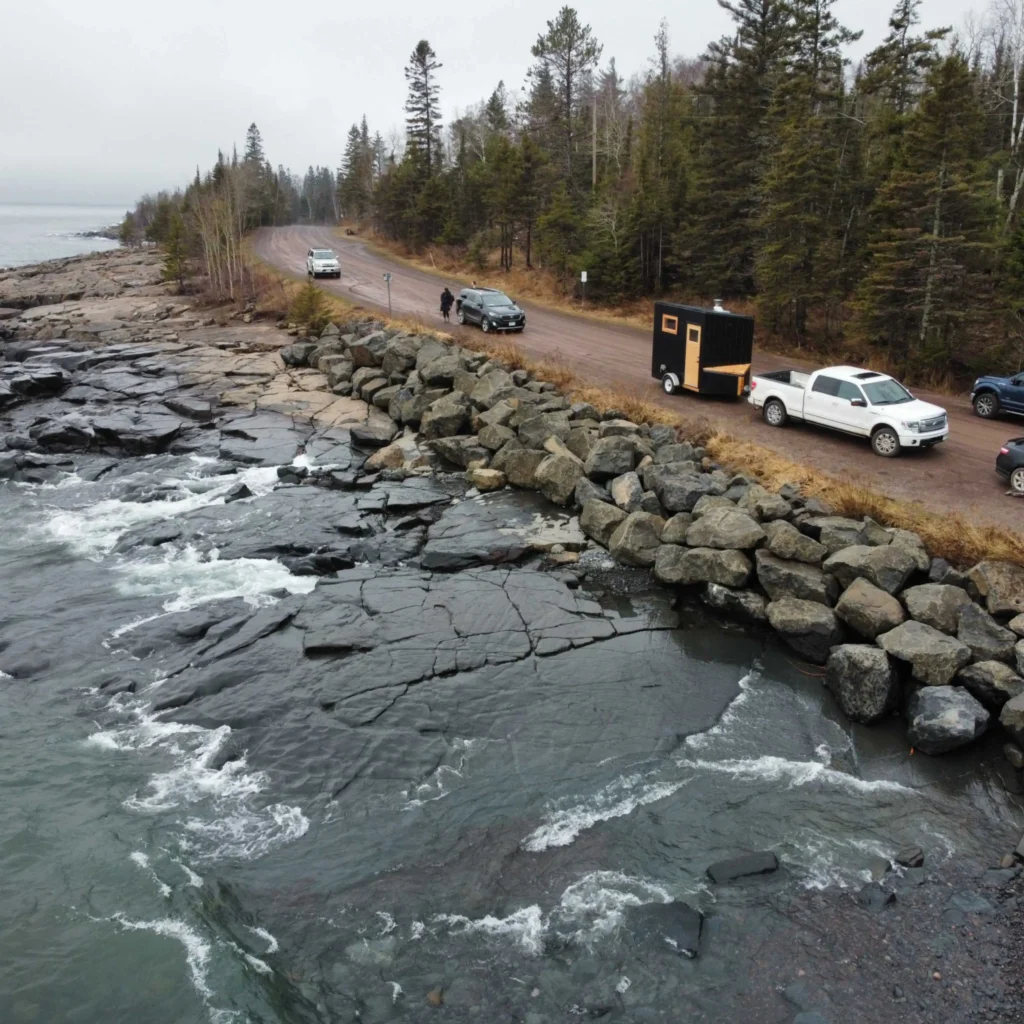
The World of Sauna series follows the practice across twelve blog stops and roughly fifteen countries. Each post looks at the architecture, the materials, the ritual, and the cultural meaning behind the room. Most of what we build at BW Sauna Co. in Duluth carries something from this lineage.
Why this matters
Regular sauna bathing is one of the most studied wellness practices in modern medicine. The KIHD prospective study from the University of Eastern Finland tracked 2,315 middle-aged men for roughly twenty years. Men who used a sauna four to seven times per week had a 40 percent lower risk of all-cause mortality compared to those who used one once per week. Published in JAMA Internal Medicine (Laukkanen et al., 2015).
A 2018 systematic review in Evidence-Based Complementary and Alternative Medicine concluded that regular dry sauna bathing improves cardiovascular function, reduces systemic inflammation, lowers blood pressure, and supports post-exercise recovery (Hussain and Cohen, 2018). A separate review in Mayo Clinic Proceedings reached similar conclusions on cardiovascular outcomes (Laukkanen and Kunutsor, 2018).
For people in northern climates, sauna also serves a quieter purpose. The American Psychiatric Association estimates that nearly 4 in 10 American adults report mood changes during winter, and around 5 percent meet diagnostic criteria for Seasonal Affective Disorder. Heat exposure, ritual, and social bathing are not substitutes for clinical care. They are part of how northern cultures have built winter into something livable.
The Twelve Stops
Click any card to read the full post.
Finland
The birthplace of the modern sauna. Finland has roughly three million saunas for a population of about 5.5 million, which works out to more saunas than cars. Finnish sauna culture was inscribed on the UNESCO Representative List of the Intangible Cultural Heritage of Humanity in December 2020. The word löyly describes the steam, the heat, and the spirit of the room in a single breath.
Read FinlandSweden
Sweden's tradition is called bastu, and it traces back to the Sami people of northern Scandinavia. Stockholm now has a growing public sauna scene around the harbor and on the islands. In the north, bastu is closer to a weekly ritual than a wellness add-on. Less ubiquitous than Finland, but the bones of the practice are the same.
Read SwedenRussia
The Russian banya runs hotter and wetter than a Finnish sauna. The defining tool is the venik, a bundle of birch, oak, or eucalyptus branches used to lightly strike the body. It is part massage, part exfoliation, part aromatherapy. The leaves release oils into the steam, and circulation gets a serious push.
Read RussiaEstonia, Latvia, Lithuania
The Baltic states treat sauna as sacred ground. The smoke sauna tradition of Võromaa in southern Estonia was inscribed on UNESCO's Intangible Cultural Heritage list in 2014. In Latvia the sauna is called pirts, in Lithuania pirtis. The smoke sauna has no chimney. The fire burns for hours, the smoke clears, and you bathe in the residual heat.
Read the BalticsNorway
Norway has layered a modern sauna culture on top of a deep cabin tradition. The floating saunas in Oslo's Bjørvika district are the visible expression. Operators like KOK Oslo and Oslo Badstuforening run wood-fired barges with cold-plunge access straight into the fjord. Inland, the hytte tradition keeps wood-burning saunas running on the lake side of summer cabins.
Read NorwayIceland
Iceland's geothermal landscape changed the equation. Saunas and bathing pools tap directly into the ground for heat and water. The Blue Lagoon and Sky Lagoon are the tourist names, but the local term is sundlaug, the neighborhood geothermal pool. Saunas here run cooler than Finnish saunas, and the focus shifts toward the soak.
Read IcelandAustria, Germany
German-speaking sauna culture is built around the Aufguss ceremony. A sauna meister enters with essential oils and a towel, pours water onto the stones, and waves the heat through the room in measured rounds. Textile-free is the standard. The World Aufguss Championships are held annually, and the room is treated as a performance space and a wellness ritual at once.
Read Austria & GermanyHungary
Budapest has more thermal springs feeding public baths than any other capital in Europe. The bones of the tradition are Roman and Ottoman. The Rudas Baths have been operating since the 16th century, originally built under Pasha Sokollu Mustafa. Széchenyi and Gellért are early 20th century. Saunas sit inside a longer thermal circuit of hot pools and cold dips.
Read HungaryTurkey
The hammam is a steam ritual, not a dry sauna. The room is marble. The heat is wet. The center stone, the göbektaşı, holds the body during the kese exfoliation and the foam massage. Çemberlitaş Hamamı in Istanbul has been operating continuously since 1584. The whole thing runs more like a temple than a gym.
Read TurkeyJapan
Japan has its own bath traditions, but the modern sauna boom is something new. Since roughly 2019, sauna culture has expanded across Tokyo and Osaka, driven by the manga and television series Sa-Dō and a generation chasing what is called totonou, the regulated state reached through heat, cold plunge, and rest. Onsen and sentō still anchor the older tradition.
Read JapanSouth Korea
The jjimjilbang is a 24-hour bathhouse with multiple themed rooms. Salt rooms, jade rooms, charcoal rooms, ice rooms. The hanjeungmak is a traditional Korean kiln sauna, a dome-shaped clay structure with roots reaching back to the Joseon era. Floors are heated ondol-style. The jjimjilbang functions as a community space as much as a wellness facility, often open through the night.
Read South KoreaChina
China's traditional bathing culture predates most of Europe's, but the modern sauna is relatively new. Public bathhouses (zǎotáng) have long been part of urban life, especially in the north. The current wave is hybrid: Finnish heat boxes inside wellness resorts, traditional herbal soaks alongside, and a fast-growing premium spa industry across Shanghai, Beijing, and Chengdu.
Read ChinaFrom the road back to Duluth
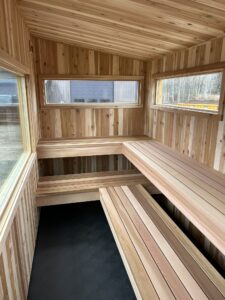
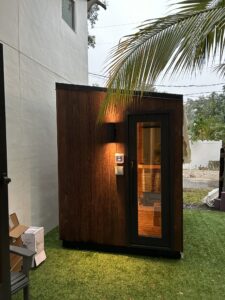
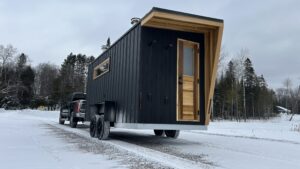
Every sauna we build at BW Sauna Co. carries something from these traditions. The Finnish löyly. The Estonian patience with smoke and slow heat. The Norwegian readiness for cold water. The German precision of the aufguss. We work in white cedar, thermally modified wood, and steel because that is what holds up under twenty years of real use in Minnesota winters.
If you want a sauna built in this lineage, we are a phone call away.
Let's Talk SaunasResearch and references
- Laukkanen, T., Khan, H., Zaccardi, F., & Laukkanen, J. A. (2015). Association between sauna bathing and fatal cardiovascular and all-cause mortality events. JAMA Internal Medicine, 175(4), 542–548. jamanetwork.com
- Laukkanen, J. A., & Kunutsor, S. K. (2018). Is sauna bathing protective of cardiovascular and other health outcomes? Mayo Clinic Proceedings, 93(8), 1111–1121. mayoclinicproceedings.org
- Hussain, J., & Cohen, M. (2018). Clinical effects of regular dry sauna bathing: A systematic review. Evidence-Based Complementary and Alternative Medicine, 2018, 1857413. hindawi.com
- White, M. P., et al. (2019). Spending at least 120 minutes a week in nature is associated with good health and wellbeing. Scientific Reports, 9, 7730. nature.com
- American Psychiatric Association. Seasonal Affective Disorder (SAD). psychiatry.org
- American Psychiatric Association. Nearly 4 in 10 Americans report mood changes in winter. psychiatry.org
- Harvard Health Publishing. Shining a light on winter depression. health.harvard.edu
- UNESCO Intangible Cultural Heritage. Sauna culture in Finland, inscribed 2020. ich.unesco.org
- UNESCO Intangible Cultural Heritage. Smoke sauna tradition in Võromaa (Estonia), inscribed 2014. ich.unesco.org