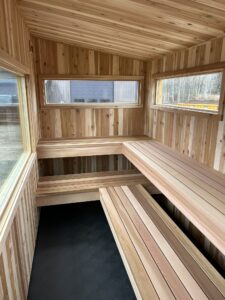

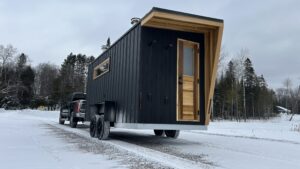
Saunas are built around heat, wood, stone, and steam. That is what makes them so enjoyable, but it also means fire safety needs to be taken seriously. Whether you have a backyard sauna, a cabin sauna, a mobile sauna, or a wood fired sauna at the lake, a few simple habits can prevent most fire risks before they become dangerous.
Sauna fires are usually not random. They often come from poor installation, aging equipment, lack of maintenance, unsafe clearances, damaged chimneys, or simple mistakes like leaving the heater unattended. The good news is that most of these risks can be managed with regular inspections, proper use, and basic safety equipment.
Start With a Seasonal Sauna Safety Check
If your sauna sits unused through the winter or for long stretches of time, inspect it before the first big heat up of the season. This is especially important for cabin saunas, mobile saunas, and outdoor saunas exposed to snow, moisture, and temperature swings.
Before using the sauna again, check:
- The sauna stove or electric heater
- The chimney, flue, and stove pipe
- Heat shields and clearances around the heater
- Benches, walls, and ceiling near the heat source
- Ventilation openings
- Wiring, controls, and timers
- Fire extinguisher and first aid supplies
- Ash storage containers
- The area outside the sauna, including dry leaves, grass, firewood, and other combustible materials
Small problems can become serious once the sauna reaches high heat. A loose connection, cracked flue, blocked vent, or missing heat shield should be fixed before the sauna is used.
Wood Fired Sauna Safety
Wood fired saunas require extra attention because they use open flame, hot coals, and a chimney system. The stove, chimney, and surrounding materials all need to work together safely.
One of the most common causes of sauna fires is improper clearance from combustible materials. Wood walls, benches, trim, flooring, and ceiling materials must be far enough away from the stove and stovepipe. If the stove is too close to wood, or if the heat shield is not installed correctly, surrounding materials can overheat over time.
The stove and chimney also need to be compatible. A stove that produces more heat than the chimney is rated to handle can damage the flue system. Over time, excessive heat can weaken chimney insulation, damage metal components, or increase fire risk around the chimney pass through.
When using a wood fired sauna:
- Never leave the stove unattended while it is actively heating.
- Use only the fuel recommended by the stove manufacturer.
- Do not burn trash, treated wood, painted wood, or construction scraps.
- Keep firewood, towels, clothing, and sauna accessories away from the stove.
- Make sure the chimney has proper draft before building a strong fire.
- Heat the sauna gradually, especially after a long period of nonuse.
- Watch for smoke leaks, unusual smells, poor draft, or visible damage.
If a sauna, stove, or chimney has been cold for a long time, do not start with an aggressive fire. A slow first heat helps reduce stress on the stove, flue, and chimney connections.
Chimney and Flue Maintenance
Many sauna fire risks start inside the chimney or flue, where damage is not always easy to see. Cracks, soot buildup, poor joints, and blocked flues can all create dangerous conditions.
A qualified chimney professional should inspect and clean the chimney on a regular schedule. This is especially important for cabin saunas and seasonal properties where the sauna may not be checked often.
Watch for signs that the chimney or flue may need attention:
- Smoke entering the sauna
- Weak draft
- Soot stains around joints
- Cracks in masonry
- Rust or damage on metal chimney sections
- A strong burning smell outside the stove area
- Unusual heat near walls, ceiling, or roof penetrations
Do not ignore these signs. A sauna stove and chimney operate under intense heat, and small defects can create major problems.
Ash Disposal
Hot ashes are one of the easiest fire hazards to overlook. Ashes can stay hot long after the fire looks completely out. Never place ashes in a plastic bucket, cardboard box, trash bag, paper bag, or near dry grass, wood, or leaves.
Use a metal ash bucket with a tight fitting lid. Keep the container outside, away from buildings, decks, firewood, and other combustible materials. Let ashes cool fully before disposal.
A simple rule: treat every ash bucket like it is still hot.
Electric Sauna Heater Safety
Electric sauna heaters can be very safe when installed and used correctly, but they still require care. Most problems come from incorrect installation, blocked ventilation, faulty controls, or items being placed too close to the heater.
Before turning on an electric sauna heater, always check the area around and above it. Towels, clothing, paper, cleaning supplies, and sauna accessories should never be placed on the heater or hung above it. Drying laundry in the sauna is a serious fire risk and should be avoided.
Electric sauna heaters also have limits. Follow the manufacturer’s instructions for maximum run time, cool down periods, stone placement, ventilation, and thermostat location. If the thermostat is cooled by incoming air because of poor vent placement, the heater may run hotter or longer than intended.
For electric sauna safety:
- Do not dry clothes or towels in the sauna.
- Keep the heater clear at all times.
- Check the timer and thermostat periodically.
- Make sure the sauna has proper ventilation.
- Do not bypass safety controls.
- Do not leave the heater running longer than recommended.
- Have wiring and heater installation completed by qualified professionals.
If the heater, controls, or wiring behave strangely, stop using the sauna until the issue is inspected.
Keep Fire Safety Equipment Nearby
Every sauna should have basic safety equipment close by. This is especially important for outdoor saunas, cabin saunas, and mobile saunas where emergency response may take longer.
Keep these items accessible:
- A fire extinguisher
- A fire blanket
- A first aid kit
- A flashlight
- A metal ash bucket for wood fired saunas
- A clear path out of the sauna and changing area
A bucket of water can be useful in some situations, but it should never be used on an electrical fire. Make sure everyone using the sauna knows where the fire extinguisher is and how to leave the sauna quickly.
Have an Emergency Plan
Fire safety is not only about equipment. It is also about knowing what to do if something goes wrong.
Before using a sauna with family, guests, or renters, make sure everyone understands:
- How to exit the sauna quickly
- Where to meet outside
- Where the fire extinguisher is located
- Who will call emergency services
- The exact property address or location
- How to shut off power or stop using the stove safely, if possible
For cabin saunas and rural properties, make sure the address is clearly visible from the road. If the property is hard to find, keep written directions or coordinates in a visible place. Emergency crews need to be able to locate the property quickly.
Special Considerations for Mobile Saunas
Mobile saunas need the same safety mindset as permanent saunas, plus a few extra checks. Because they are transported, parked in different places, and exposed to road vibration, they should be inspected regularly.
Before heating a mobile sauna:
- Park it on a stable, level surface.
- Keep it away from dry grass, brush, low branches, and structures.
- Check the chimney connection before use.
- Confirm that vents are open and unobstructed.
- Keep the stove area clear.
- Make sure the trailer, steps, and exit path are safe.
- Do not tow the sauna while the stove or heater is hot.
After transport, always do a quick visual inspection before lighting the stove or turning on the heater.
Most Sauna Fires Are Preventable
Most sauna fire risks come down to three things: installation, maintenance, and use. A well built sauna with the right heater, proper clearances, safe ventilation, and regular inspection is much safer than one that is ignored until something goes wrong.
The best habits are simple:
- Follow the heater manufacturer’s instructions.
- Use the sauna only as intended.
- Keep combustible items away from the heater.
- Do not leave the heater unattended.
- Inspect the stove, chimney, heater, and vents regularly.
- Store ashes in a metal container.
- Keep fire safety equipment close.
- Fix small issues before they become major problems.
A sauna should feel relaxing, not risky. With the right setup and consistent maintenance, you can enjoy the heat, steam, and quiet of the sauna with much greater peace of mind.
Built Right From the Start
At BW Sauna Co., fire safety starts with thoughtful sauna design, proper heater selection, and careful installation details. Whether you are planning a backyard sauna, a mobile sauna, or a cabin sauna, the safest sauna is the one built with the right materials, clearances, ventilation, and long term use in mind.
A good sauna should be comfortable, durable, and safe every time you heat it.