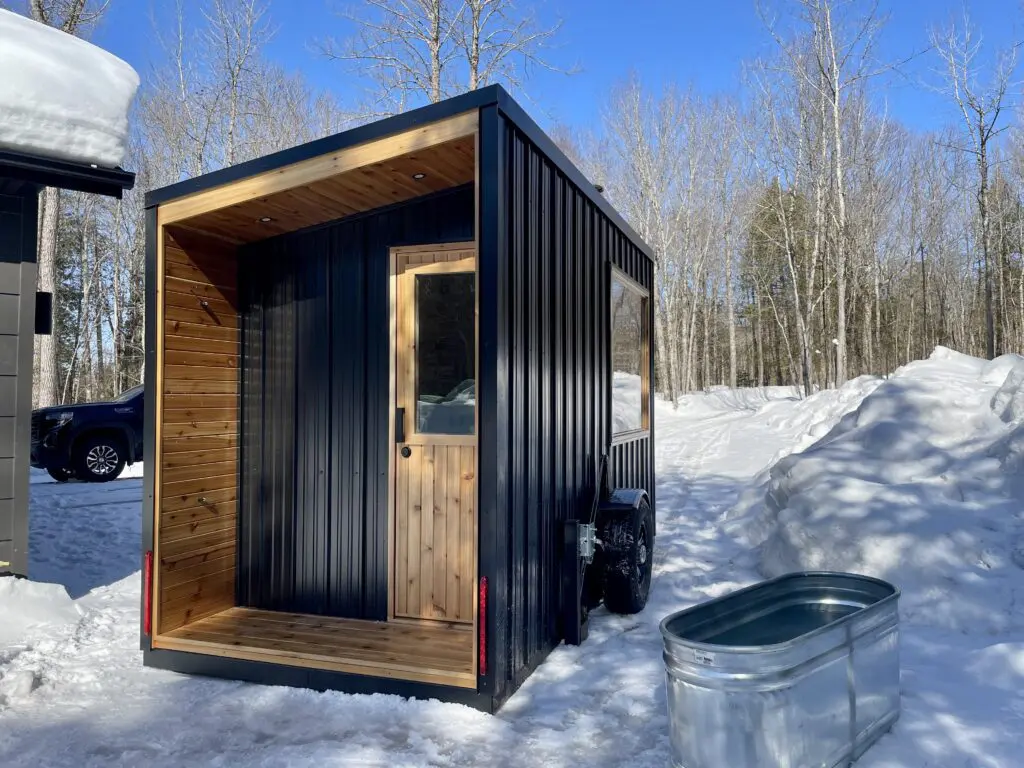



Your first cold plunge can be exhilarating and terrifying, but with the right preparation, you can stay safe while reaping the rewards of the experience.
We’ve compiled a list to guide you through the process and prepare you for what you can expect once you’re in the water.
Pre-Plunge Preparations
Don’t Plunge Alone
Cold water can impair your muscle response and motor control fast, so it’s important to have someone at your side who will be able to get you out of the water in an emergency.
Make Sure You Get a Doctor’s Approval if You Need It
Cold water constricts blood vessels, raises blood pressure, and forces the heart to work harder. If you’re someone who’s dealing with heart disease, high blood pressure, diabetes, peripheral neuropathy, poor circulation, venous stasis, or cold agglutinin disease, you need to get approval from a doctor before your first cold plunge.
If once you’re in the water you start to experience anything beyond normal discomfort (like chest tightness, severe dizziness, numbness that isn’t resolving), get out and get warm immediately.
Make Sure You’re Plunging in Clean Water
While bacterial growth is just as present in cold water as it is in warm water, it’s just slower. Make sure that the water you’re plunging into is clean. At the very least, it should have proper filtration, circulation, and regular treatment, especially if it’s being shared.
Practice Breathing
Your breathing needs to be slow and controlled to keep your nervous system calm. Practice box breathing or slow inhales as the plunge gets closer.
Make Sure You Eat and Drink Beforehand
It’s important to stay well hydrated before your plunge to improve blood flow and regulate your body temperature, so make sure you’re drinking plenty of water throughout the day. You also need to make sure that your body is properly fueled with nutrient-dense foods so it can sustain energy during your cold plunge.
What to Expect Once You’re In
Your Body’s Reaction
When you get in the water, you will more than likely gasp reflexively. It’s a normal response, but you need to manage it so you don’t hyperventilate. Make sure you’re taking slow, deep breaths as this will help slow your heart rate (which will spike) and calm your nervous system.
Don’t freak out if your skin turns red or your hands and feet feel like they’re stinging. Both are normal responses to the cold.
If, however, your lips are turning blue, you’re shivering uncontrollably, or you feel any kind of sharp pain, your body is signaling that it’s reached its limit. Listen to it and get out of the water.
Temperature
A good starting temperature is 50–59°F. It’ll still be a shock to the system, but it should at least be manageable. Lower temperatures are risky, especially for beginners, but if you do decide to plunge in colder water, make sure it doesn’t go any lower than 40°F.
Time
For your first time, you should only stay in the water for 1 – 2 minutes. As you become more familiar with the cold plunge, you can increase the time, but DO NOT push yourself to stay in for longer than 5 minutes.
Getting Out
Keep Calm When You Emerge
Sudden movements after such a shock of cold can cause dizziness, so keep calm and exit deliberately. If you need to, ask the person who came with you for help.
Dry Off Quickly
While you shouldn’t rush to warm up, it’s important to retain the little body heat you might have after a cold plunge. Dry yourself off gently, but quickly.
Warm Up Gradually
You may be tempted to jump into a hot shower immediately, but that will just stress your body out. Instead, let your body warm up naturally. Put on a layer of cozy clothes and do light movement or step into a sauna.
If you want to add cold therapy to your home wellness routine, BW Sauna Co. can add a cold plunge to your custom sauna so you enjoy the benefits of it all year.